The Claim
Detox diets and cleansing regimens claim to remove accumulated "toxins" from the body, typically through restrictive eating, special juices, supplements, or other protocols. These products and programs suggest the body requires external intervention to eliminate harmful substances. This is one of the most commercially successful health myths, generating a multi-billion-pound industry despite lacking physiological support.
Why the Myth Exists
The detox myth appeals to intuitive logic: the body is exposed to various substances, so it makes sense that accumulation could occur. Additionally, temporary restriction of food intake often produces initial weight loss and general feelings of "lightness" that some attribute to toxin removal rather than caloric deficit. Marketing capitalises on this intuitive appeal and vague concerns about environmental exposure.
How the Body Actually Detoxifies
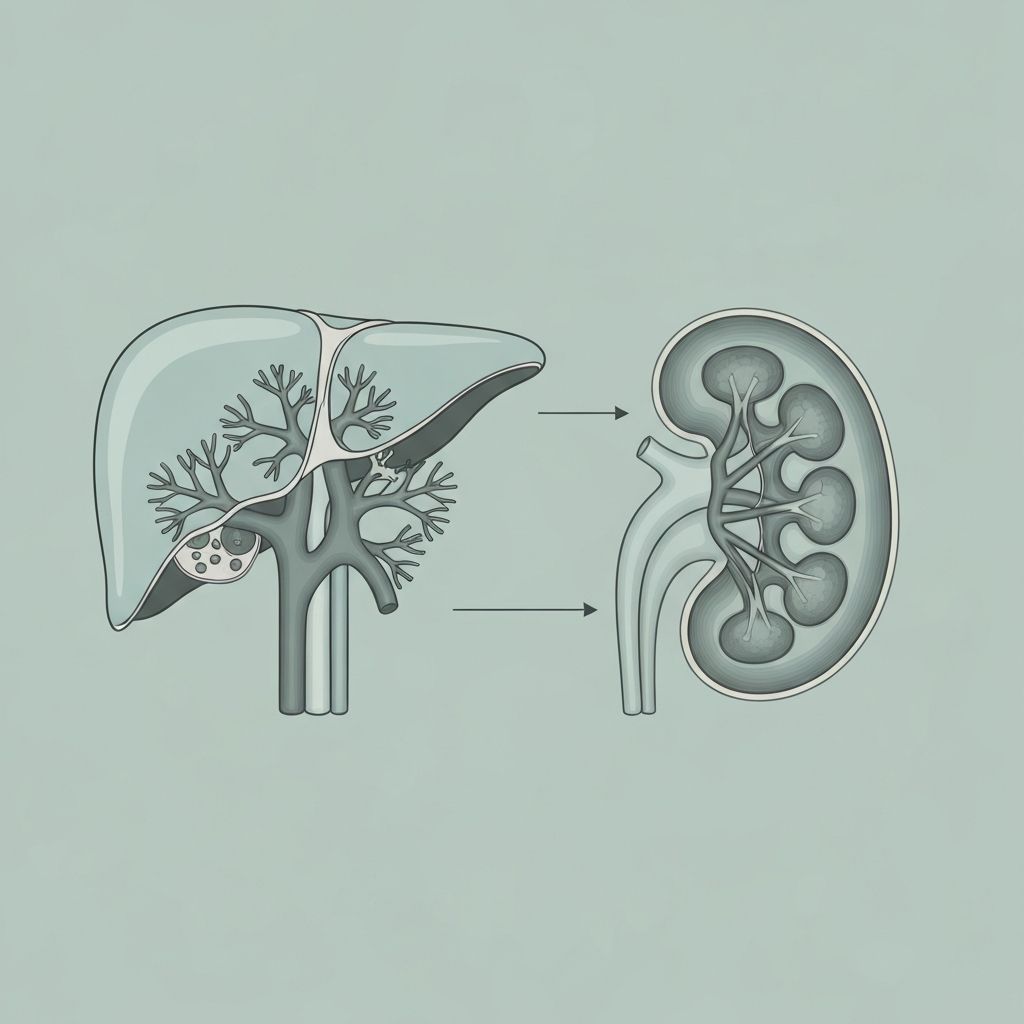
The Liver
The liver is the body's primary detoxification organ. It processes substances through two phases of metabolism designed to make foreign compounds (xenobiotics) soluble and excretable:
- Phase 1 (Oxidation): Cytochrome P450 enzymes modify compounds to prepare them for elimination.
- Phase 2 (Conjugation): The modified compounds are bound to water-soluble molecules, making them excretable in bile or urine.
This system operates continuously and efficiently. It does not require special juices or protocols to function—it is a constitutive system that works whether or not someone is consuming particular foods.
The Kidneys
The kidneys filter blood to remove waste products and excess water, producing urine as the primary route of waste elimination. They operate 24/7 regardless of dietary intervention. The claim that kidneys need to be "flushed" or "cleansed" through excessive water consumption or special protocols contradicts their basic functioning.
The Gastrointestinal System
The GI system eliminates substances through bile (which contains cholesterol, bilirubin, and other metabolites) and faecal matter. Regular, adequate fibre intake supports bowel function, but special cleanses are unnecessary—and can be counterproductive by disrupting normal bacterial populations.
Other Elimination Routes
The lungs exhale volatile compounds. The skin sheds dead cells and can eliminate some substances through perspiration. These elimination routes function without special intervention.
Why "Toxin Accumulation" Does Not Occur
The premise of detox diets—that toxins accumulate in the body—contradicts physiological reality:
- Continuous elimination: The systems described above operate constantly, not intermittently.
- Cumulative capacity: Most xenobiotics are processed and eliminated rapidly. Accumulation would require intake rates exceeding elimination rates substantially.
- Regulatory systems: The body maintains homeostasis; if toxins were accumulating, regulatory systems would trigger adaptive responses.
- No evidence of accumulation: Biomarkers that would reflect toxin accumulation do not show evidence of progressive accumulation in healthy individuals with normal organ function.
What Detox Diets Actually Do
Caloric Restriction
Most detox programs involve caloric restriction, which produces short-term weight loss. This is due to energy deficit, not toxin removal. The weight typically returns when normal eating resumes.
Elimination of Certain Foods
Many detox diets eliminate processed foods, sugar, alcohol, and other components. Reducing these foods may produce short-term improvements in how people feel—potentially due to reduced inflammation, more stable blood sugar, or improved GI function. However, these benefits reflect dietary changes, not toxin removal.
Placebo Effect
Psychological belief in a treatment's efficacy produces measurable physiological responses. Many detox effects are partially attributable to placebo—expecting to feel better often results in feeling better, regardless of the mechanism claimed.
Potential Harms of Detox Diets
- Nutrient deficiency: Restrictive protocols may lack essential vitamins, minerals, and macronutrients.
- Disruption of GI microbiota: Cleanses can alter beneficial bacterial populations.
- Electrolyte imbalance: Certain protocols can disrupt sodium, potassium, and other electrolyte balance.
- Unnecessary cost: Detox products are typically expensive and lack evidence of efficacy.
- Delayed care: People may rely on detox protocols instead of addressing actual health concerns.
What Actually Supports Detoxification
The body's existing detoxification systems function optimally when:
- Adequate sleep: Supports metabolic clearance and organ function.
- Regular physical activity: Enhances circulation and metabolic efficiency.
- Adequate hydration: Supports kidney function and elimination.
- Balanced nutrition: Provides cofactors needed for Phase 1 and Phase 2 metabolism (B vitamins, glutamine, glycine, etc.).
- Limited alcohol: Alcohol impairs liver detoxification capacity.
- Adequate fibre: Supports GI elimination and healthy microbiota.
Key Takeaways
- The body continuously detoxifies through the liver, kidneys, GI system, and other elimination routes.
- These systems operate efficiently without special intervention or protocols.
- Toxin accumulation does not occur under normal circumstances in healthy individuals.
- Detox diets produce results (weight loss, feeling better) through caloric restriction and dietary changes, not toxin removal.
- Claims that organs require "cleansing" or "flushing" contradict physiological function.
- Regular lifestyle habits (sleep, activity, hydration, nutrition) support normal detoxification more effectively than detox programs.
Regulatory Note
The term "detox" applied to commercial products is largely unregulated marketing language. Products marketed as detox cleanses typically lack evidence that they remove toxins. Regulatory bodies such as the Food Standards Agency provide guidance that detox claims are not supported by evidence and should not be made on food and supplement labels.
Educational Context
This explanation describes the physiological systems involved in eliminating xenobiotics and metabolic waste. Individual organ function varies; those with liver or kidney disease may require modified approaches. For personalised guidance about detoxification or organ health, consultation with a qualified health professional is appropriate.